
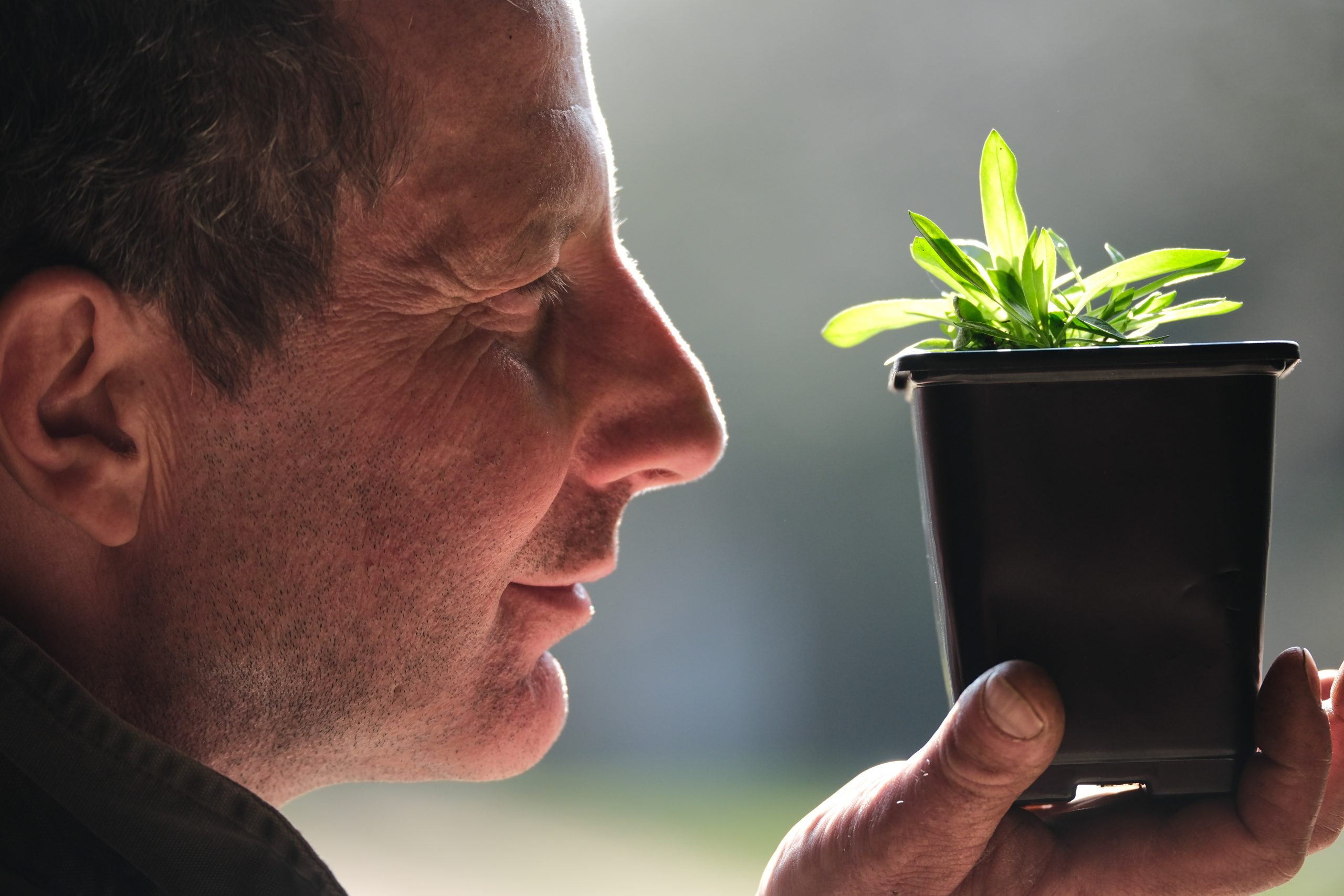
A project to revive threatened flora in North Yorkshire has hit a new milestone. Over the past year 12,000 plants belonging to lesser-known wildflower species have been planted in the Howardian Hills and parts of the North York Moors after being grown from locally collected seed. If enough volunteers step forward, up to 20,000 more could be planted by this Autumn.
The Forgotten Flora scheme – currently being funded by the Howardian Hills National Landscape – has worked with 100 volunteers, including children, community groups and secondary schools to help restore the precious flora. Areas replanted so far include the Yorkshire Arboretum, Crayke Community Fields, Hovingham village and Howsham Mill.
Experts estimate that 97% of the UK’s wildflower meadows have been lost since the 1930s with some species suffering critical declines. That’s had a huge impact on bees, butterflies and soil quality.
Ambrose Gruenfeld has been delivering the project and says:
“These lesser-known species may be thinner on the ground now, but they belong in the North Yorkshire landscape. So, working with volunteers this is about restoring habitats, supporting local wildlife and promoting a healthier ecosystem. A crucial thing is that we have collected seed locally, so we are preserving the unique local strains.”
An abundance of wildflowers was once an everyday scene, encouraging a rich folklore. Black Medic was reckoned to increase prosperity if carried in your pocket, whilst Field Scabious warded off evil spirits. If you wanted to see fairies you should hang around a patch of Cowslip, whilst on a more practical level Saw-wort was a source of natural dyes. Other plants had medicinal uses. All these species are included in the big replanting effort along with Ragged Robin, Bird’s-foot Trefoil and Ox-eye Daisy.
Ambrose spent part of his career working with youth groups in inner city Leeds and a strong commitment to community action has remained after he returned to his roots while his expertise in wildflowers blossomed.
“One of the most meaningful parts of this project has been working with young people, including neurodiverse students from Welburn Hall. When youngsters engage directly with the landscape it creates a much deeper understanding. This kind of hands-on learning helps them grasp how ecosystems work and also reflect on our place within them. It fosters teamwork and builds a sense of stewardship and connection. You simply can’t achieve that through textbooks alone.”